Best Clay Types for Beginners (and What Actually Matters First)
My first experience with clay was simple. In high school, I used Sculpey Clay to create tiny volleyball players out of colored clay. I turned them into magnets and gave one to each of my teammates. Before that, I spent hours making figures out of Play-Doh and that flour-and-water salt dough you can bake in your own oven. I created these little funny-faced creatures called "Lumpies", which later became an afternoon snack that nearly broke my teeth. At the time, I didn't think of it as learning c
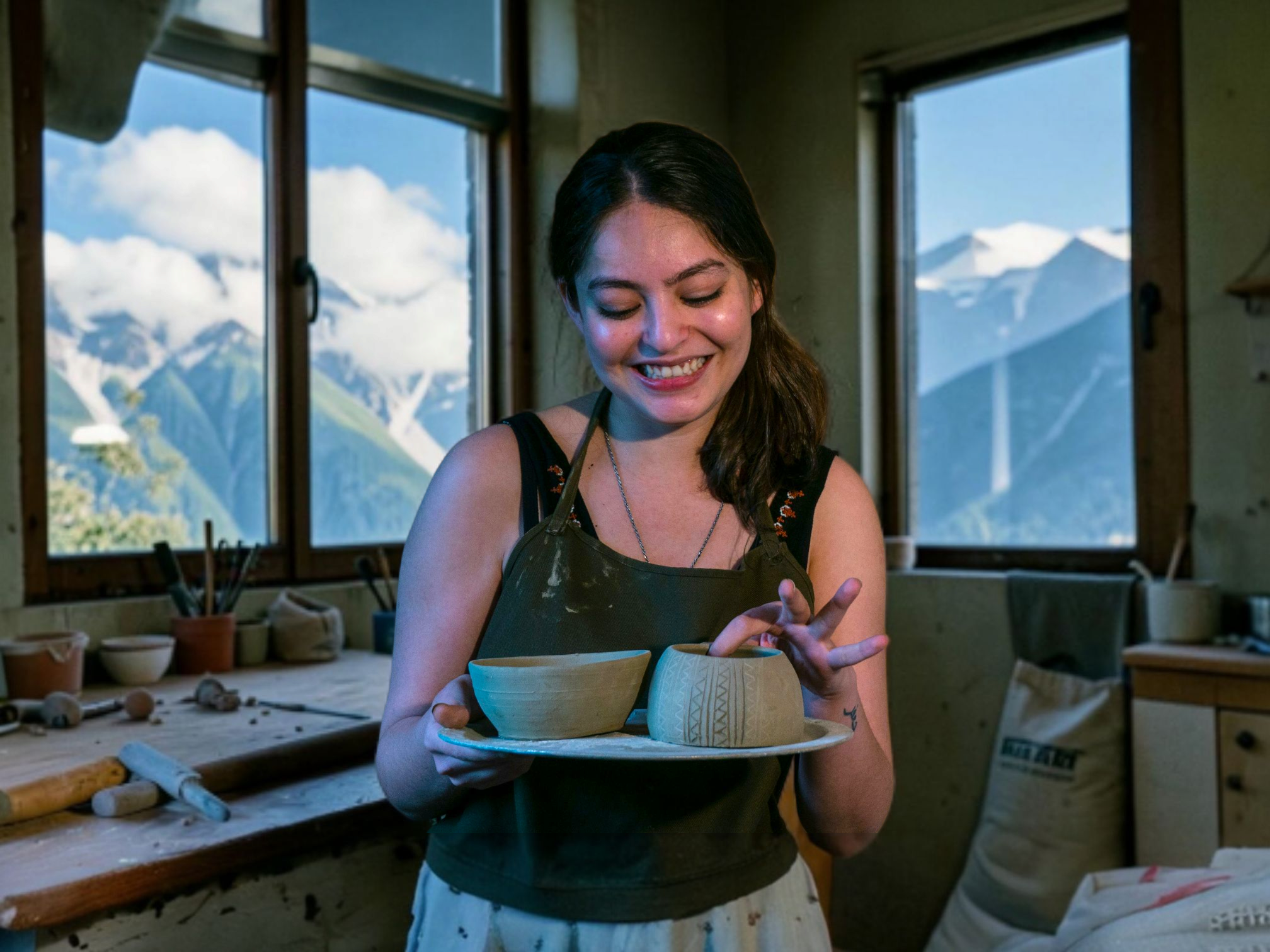
My first experience with clay was simple. In high school, I used Sculpey Clay to create tiny volleyball players out of colored clay. I turned them into magnets and gave one to each of my teammates. Before that, I spent hours making figures out of Play-Doh and that flour-and-water salt dough you can bake in your own oven. I created these little funny-faced creatures called "Lumpies", which later became an afternoon snack that nearly broke my teeth.
At the time, I didn't think of it as learning ceramics. I just liked the way the clay felt in my hands, the fun of making something tangible in 3D. Looking back, that was my introduction to clay and it's exactly the kind of curiosity that matters most when you're just starting out.
Which is why I hesitate when I see articles titled "best clay types for beginners" that jump straight into firing temperatures and glaze chemistry. Because honestly, the best clay for beginners might not be what you expect.
You Might Not Need a Kiln Yet
If you are just getting started, the goal is not mastering ceramics on day 1. The goal is getting your hands into clay and most importantly having fun!
Even low barrier to entry clay can be extremely rewarding and very affordable. Think creating a group of vegetables with cute expressions on a weekend.
- Oven-baked polymer clay like Sculpey
- Homemade salt dough
- Air-dry clay
These are all valid starting points. They build familiarity, confidence, and curiosity.
For a lot of people, that is more than enough to fall in love with clay.
Best Clay Types for Beginners Using a Kiln
If you are ready to move into fired ceramics, this is where choosing the right clay actually matters. Not in theory but in actual physics. We don't want to melt the wrong clay in a $10,000 kiln.
You will hear terms like earthenware, stoneware, and porcelain. You will also hear about cone temperatures, which determine how hot your clay needs to be fired.
Here is the simplest breakdown.
Low-Fire Clay (Earthenware, Cone 06 to 04)
Low-fire clay is often recommended for beginners because it fires at a lower temperature and tends to be more forgiving in early stages. It is also commonly used in schools, community studios, and decorative pottery.
Best glaze pairings for low-fire clay:
- Stroke and Coat glazes
- Jungle Gems
- Mayco Elements
These glazes are designed to be stable, colorful, and easy to use without needing deep knowledge of glaze chemistry.
Mid-Fire Clay (Stoneware, Cone 5 to 6)
This is where I recommend most beginners land if they have access to a kiln. Mid-fire stoneware hits the sweet spot between durability, versatility, and accessibility.
- Strong and functional
- Works beautifully with commercial glazes
- Common in community kiln setups
Best glaze pairings for mid-fire clay:
- Amaco Potters Choice
- Mayco Stoneware glazes
- Spectrum mid-fire glazes
If you are unsure where to start, this is it. Cone 5 to 6 gives you the most flexibility while keeping things approachable.
Most community studios will have clay for you to use, included in your studio fees or available for purchase for a nominal fee. We recommend you ask your studio about their policies regarding clay.
Studio owners are generally very careful about what type of clay goes into their kilns — think worst-case scenarios where the wrong clay ruins kiln shelves or other people's work, etc. So in short, in most cases you won't be sourcing your own clay to bring into a studio.
High-Fire Clay (Cone 9 to 10)
High-fire clay is typically used in gas firing, reduction, soda, and wood firing environments. This is usually not where beginners start. It requires more advanced kiln setups, a deeper understanding of materials, and access to specialized firings.
If you get there and fall in love with those processes, that is a whole world worth exploring. Just not on day one.
The Most Important Rule for Beginners
If there is one thing you need to understand before anything else, it is this:
Clay temperature is not a suggestion. It is an absolute.
Every clay body is designed to mature at a specific cone temperature. If your clay and your kiln do not match, you risk cracking, warping, or in worst cases, melting and damaging an entire kiln load.
I know a studio owner who had a student bring in an unknown clay body. It melted in the kiln and ruined everything inside.
Also, the clay body needs to fit the glaze shrinkage rates — which is an article for another day.
So before you buy anything or make anything:
- Confirm your clay's cone rating
- Confirm your kiln's firing range
- Talk to your community kiln technician if you are unsure
Always.
So What Is the Best Clay for Beginners?
It depends on what you actually want to do.
If you are just exploring: Start with polymer, air-dry, or homemade clay. No kiln needed.
If you want to make functional pottery: Start with mid-fire stoneware at cone 5 to 6 and use commercial glazes.
If you are in a community studio: Ask what clay and firing range they support, then stay within that system.
Start Simple and Build From There
You do not need to learn everything at once. Start with cone 6. Get your hands in clay. If you fall in love with soda firing, gas firing, or reduction, that can come later. That is a different conversation, and honestly, a really fun one when you are ready for it.
Final Thought
Your first experience with clay does not need to be perfect. It just needs to be yours.
For me, it was tiny volleyball players and magnets. No kiln. No pressure. Just curiosity. And that was enough to start everything.
Enjoying this?
Get articles like this weekly.
Continue Reading
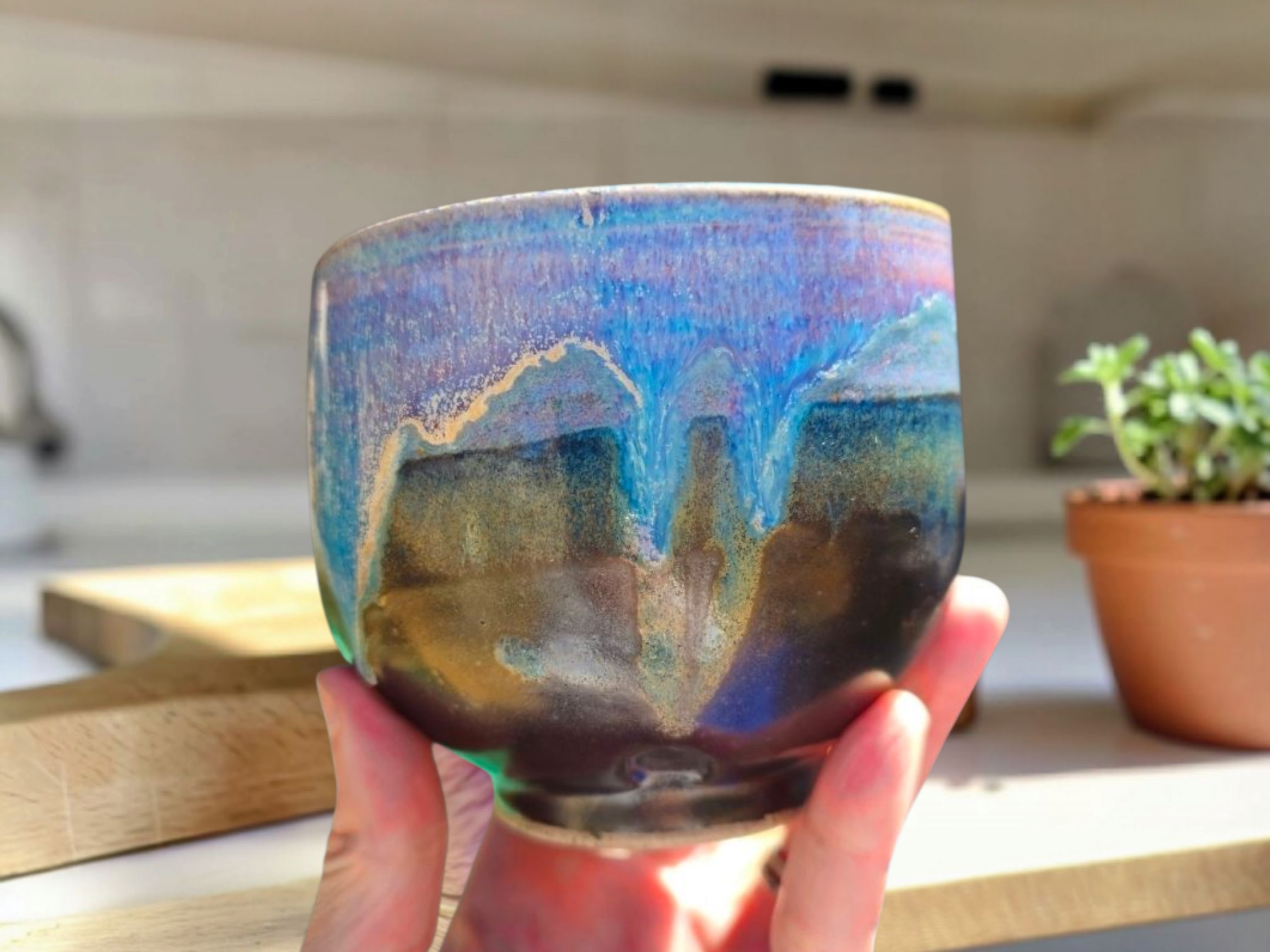
What Is a Yunomi? The Japanese Tea Cup Built for Daily Use and Deeper Connection
The yunomi isn't precious. It's designed to be held, used, and part of your day. A ceramicist on why the humblest cup in the collection might be the most important one.
Ceramics IQ
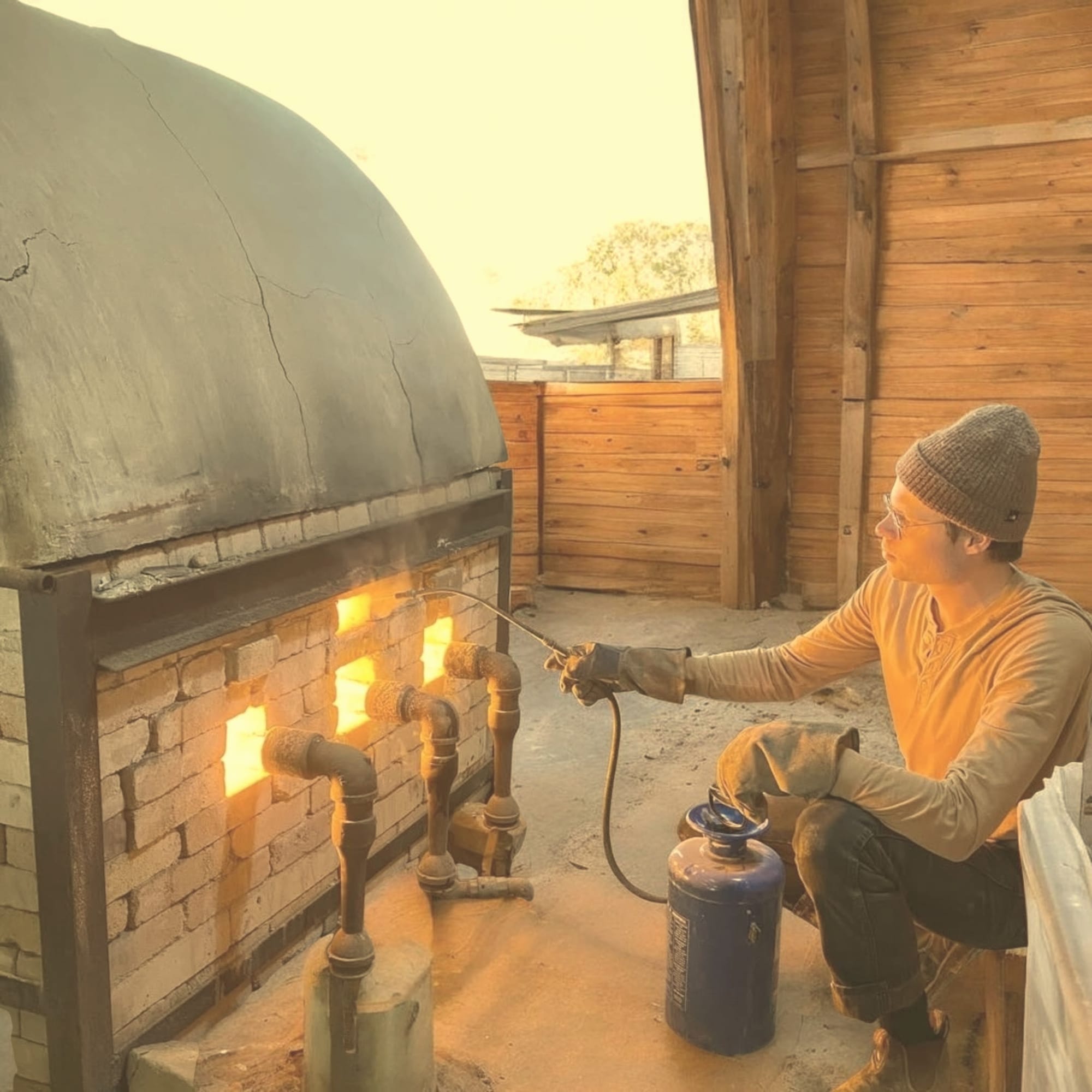
Soda Firing: What It Is, How It Works, and Why Collectors Are Paying Attention
A collector's guide to one of ceramics' most unpredictable — and rewarding — firing techniques. The kiln becomes the collaborator.
Ceramics IQ
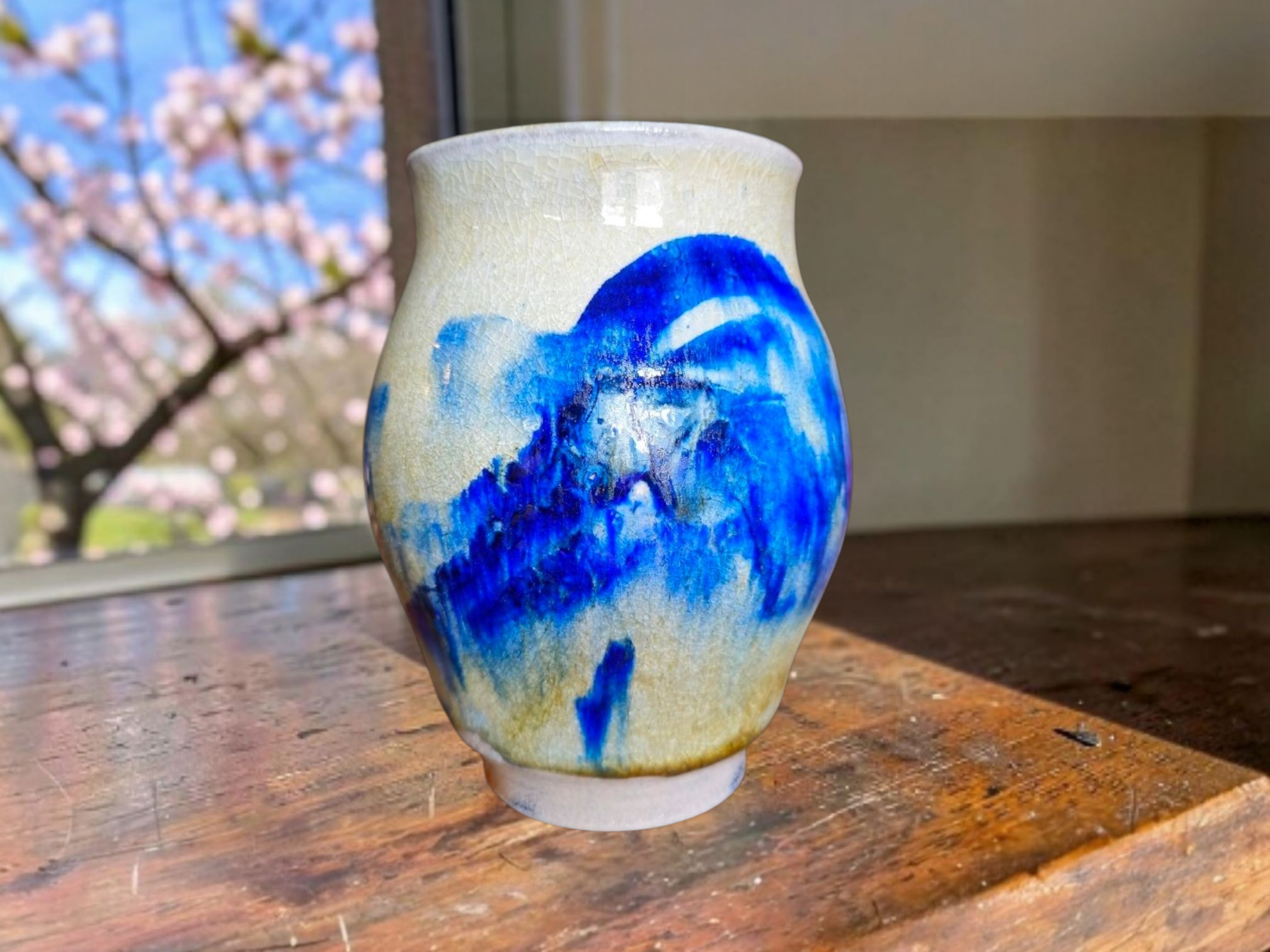
Shino: The Glaze That Never Fires the Same Way Twice
A feldspar-based glaze with roots in 16th-century Japan, Shino is prized for its unpredictable surface textures, dramatic color range, and the simple fact that no two firings ever look the same.
Ceramics IQ